

The following post summarizes the main themes covered in my most recent episode, "The Roast of Kevin Hart: When Internalized Capitalism and Racism Collide."A list of the sources and resources mentioned in the episode is available at the bottom of this post, and the information is also available in the podcast episode description.
Are comedy specials and roasting episodes harmless entertainment, or do they carry deeper societal implications? If you’ve ever enjoyed a stand-up comedy show or watched a roast, you might have questioned where to draw the line between humor and offense. Let’s dive into the recent Kevin Hart roast, exploring its nuanced relationship with social issues, capitalism, and cultural norms to help you understand what your favorite comedians are really doing when they push boundaries.
With social media and streaming platforms revolutionizing how comedy is consumed, the boundaries of what’s acceptable are continuously tested. For many fans, Kevin Hart remains a symbol of mainstream, contemporary humor. But recent episodes, especially the Netflix roast, reveal a complex layering of comedy, societal expectations, and commercial interests. This episode provides an in-depth analysis of the roast, Kevin Hart’s comedy style, and the broader implications of comedy in reflecting and shaping societal values.
The Evolution of Comedy and Its Cultural Significance
A Long-standing Relationship with Humor
Growing up in the 90s and early 2000s, I—like many—was immersed in a world of TV shows and cartoons. As a child, I watched Comedy Central after school in addition to Nickelodeon. As a teen, I elevated my diet to premium and late-night stand-up specials, developing a deep appreciation for how humor can serve as both a mirror and a critique of society.
Comedy as a Social and Political Tool
Comedy is inherently oral, rooted in traditions from African, Indigenous, and Afrocentric communities, where call-and-response and storytelling foster collective healing and connection. Black and Brown comedians often draw from personal and community experiences, tackling everything from racism and identity to mental health and politics. But there’s an ongoing debate about how far comedy should go—what’s acceptable, what crosses the line, and who gets to decide.
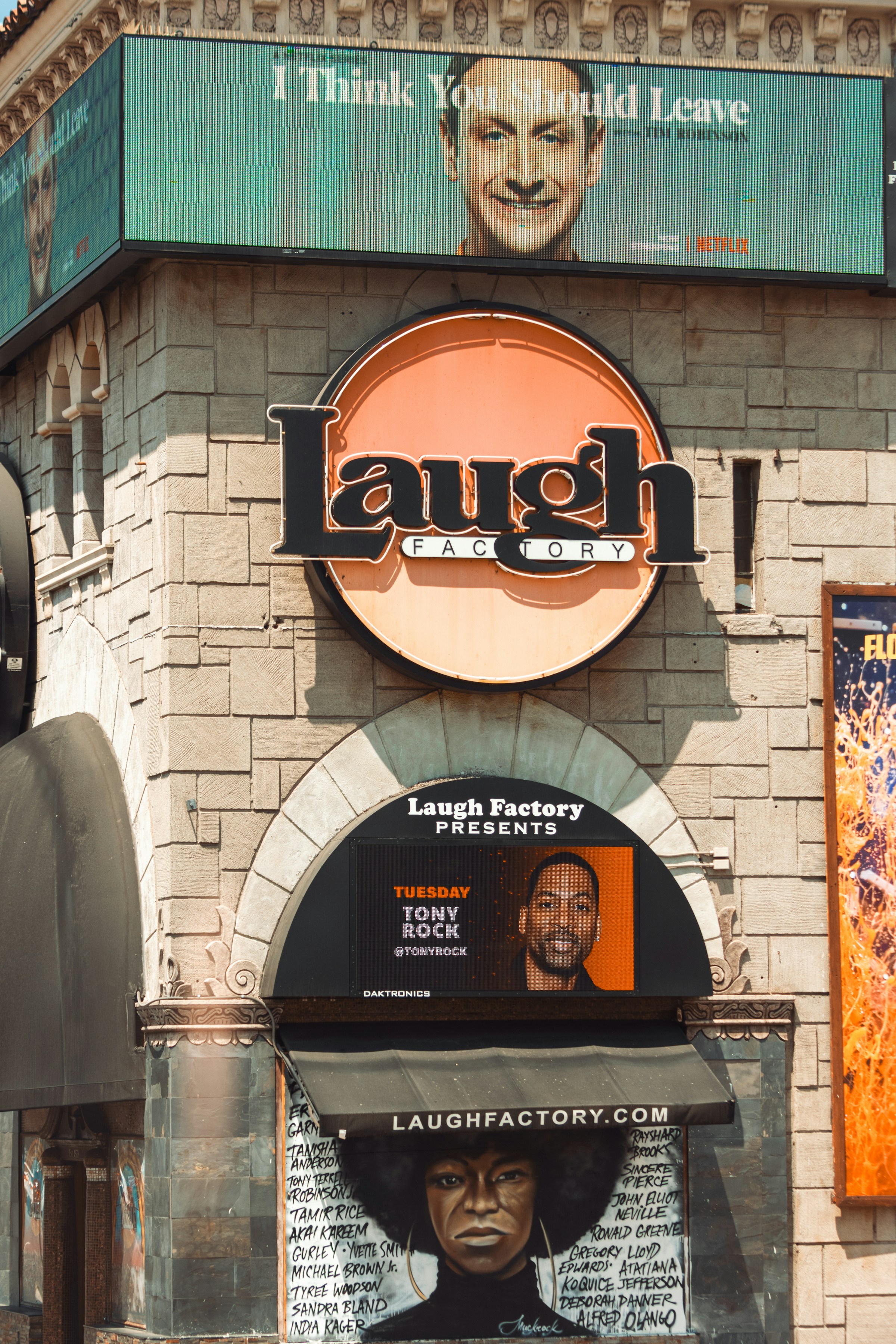
Kevin Hart’s Comedy Style: More of a Snack Than a Meal
Kevin Hart: The “Junk Food” of Comedy
Unlike comedians who explore social issues or challenge norms, Kevin Hart focuses on relationships, personal stories, and everyday observations. While entertaining, his comedy tends to be light, accessible, and traditionally structured. Think of it as the fast food of comedy—fulfilling in the moment but lacking the deeper, socially conscious layers some other comics offer.
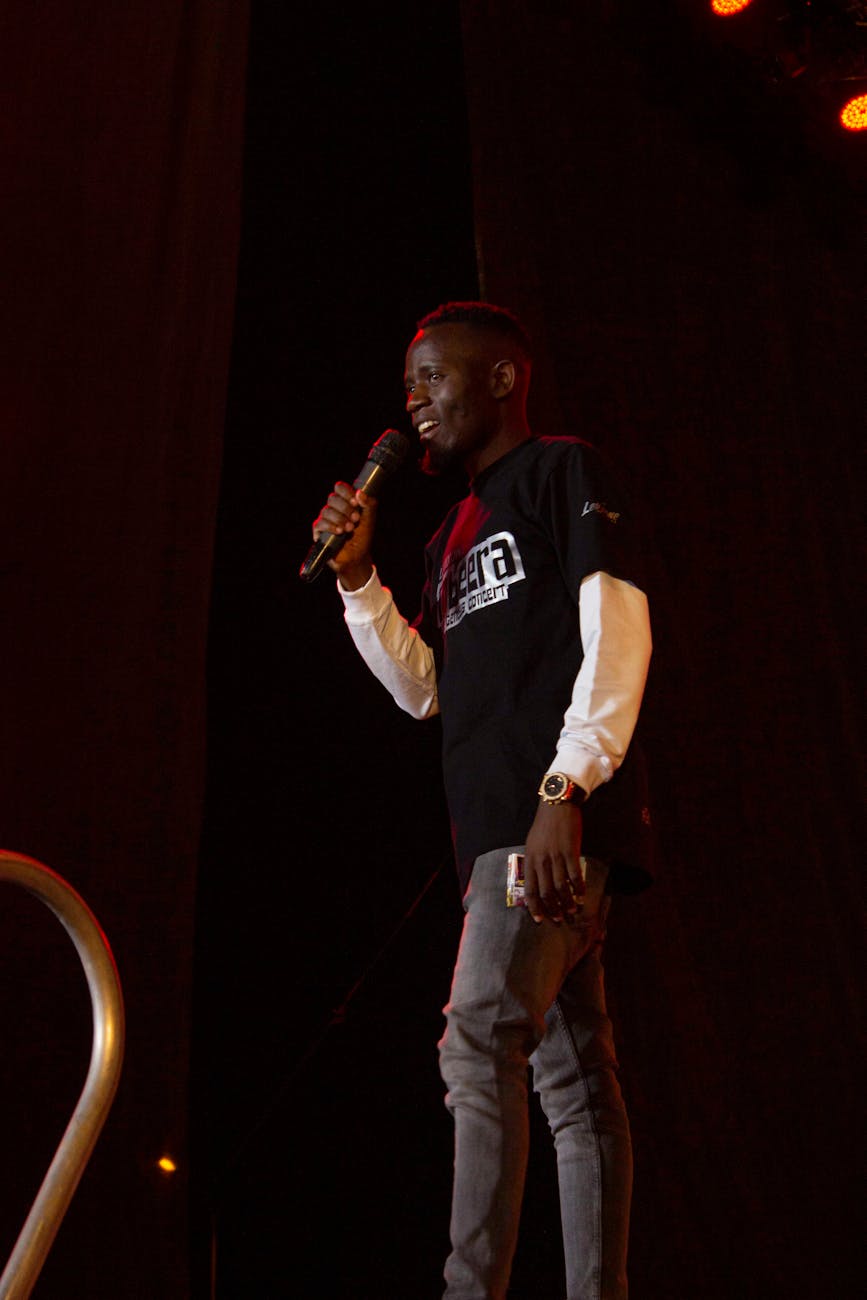
Comparing Approaches in Comedic Narratives
For a richer experience, I prefer comedians like Roy Wood Jr. or Chris Rock, who embed social critique within their humor. For instance, Roy Wood Jr. masterfully navigates discussions of racial profiling and systemic issues through call-and-response, creating a collective space for reflection. Kevin Hart’s style, however, is more centered on personal anecdotes, relying on the audience’s familiarity and shared cultural codes.
The Kevin Hart Roast: Boundary Testing or Social Damage?
The Roast and Its Power
Kevin Hart’s recent Netflix roast on Mother’s Day 2026 has stirred controversy. Roasts are meant to push limits—jokes are meant to shock, amuse, and sometimes offend. Yet, with streaming live to millions, what’s the line? When jokes cross into offensive territory, especially involving racism or trauma, it sparks debate about their social responsibility.
Offensive Jokes and Their Broader Impact
In the roast, some jokes about George Floyd and racial stereotypes were met with discomfort. Critics, including fellow comedians like Londale Jr., pointed out that jokes relying on racial trauma without critique or subversion perpetuate harmful stereotypes. Such humor, when unchallenged, can normalize prejudice and incite real-world violence.
The Politics of Comedy and Capitalism
Kevin Hart’s choices don’t exist in a vacuum. The comedy industry, driven by capitalism, often rewards extremes. The inclusion of Shane Gillis—a comedian known for racist jokes and offensive comments—signals a strategic move to appeal to a broad, often conservative, audience. This aligns with the broader trend of celebrities and performers navigating a capitalist landscape that values profits over social progress.
The Social and Cultural Roots of Humor
Oral Traditions and Community Bonding
Comedy, especially within Black cultures, is rooted in oral traditions—call-and-response, storytelling, and collective conversation. These practices foster community healing, resistance, and cultural pride. When comedians embrace these traditions, they influence societal narratives about identity and resilience.
Humor as a Reflection of Society
The jokes that comedians tell either reinforce societal norms or serve as critiques. When offensive jokes are made without critique, they can reinforce stereotypes and foster societal apathy toward marginalized communities. Conversely, jokes with layered critique can challenge the status quo and promote awareness.

Capitalism, Legacy, and the Comedic Self
The Entrepreneurial Mindset in Comedy
Kevin Hart’s relentless work ethic reflects the essence of the American Dream—an aspiration fueled by capitalism that equates success with material wealth and continuous productivity. He manages multiple projects while scaffolding his career for longevity. Hart has openly shared his background of growing up in poverty, which understandably drives his desire to create generational wealth for his family. However, this intense pursuit of success can lead to burnout and, in Hart’s case, also compromise social consciousness.
Success and Its Trade-Offs
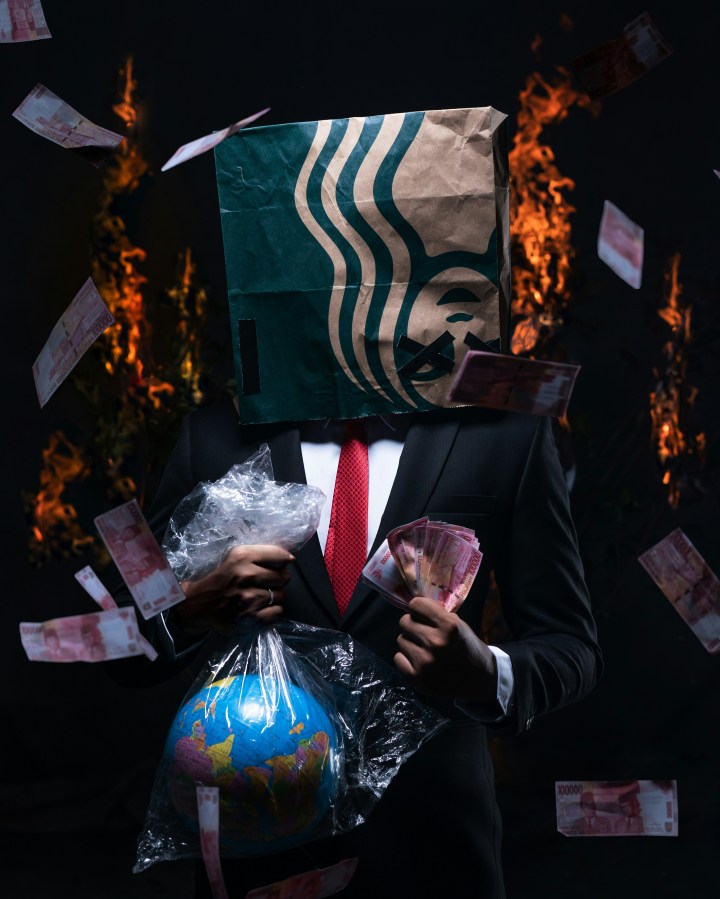
Choosing to platform problematic figures like Shane Gillis and Tony Hinchcliffe highlights the complex trade-offs in entertainment: ideological integrity versus financial gain. When comedians prioritize appeal and profitability over social responsibility, they risk normalizing harmful behaviors.
Implications for Audience and Society
The Power of Comedy to Incite or Heal
As consumers, we have a role in determining what humor we endorse. While it’s tempting to enjoy jokes without scrutiny, understanding their social context is crucial. Offensive jokes, especially those that normalize racial trauma or hate speech, can have real-world consequences—fueling discrimination, violence, and social divides.
The Responsibility of Public Figures
Celebrities and comedians influence societal norms. When they display problematic behavior or platform controversial figures, they shape public discourse—either contributing to harm or fostering change.
Final Thoughts: Navigating Humor’s Limits
Comedy will always push boundaries—it’s part of its rebellious spirit. But as audiences and creators, we must ask ourselves: When does humor stop being playful and start being harmful? Kevin Hart’s roast exemplifies this tension. It’s a reminder that comedy is powerful—capable of both healing and hurting.
What can you do?
Next time you watch a comedy special or roast, pause and reflect: Is this joke challenging societal norms or endorsing stereotypes? Are the boundaries being tested thoughtfully, or are they being crossed carelessly?
As we navigate the complex landscape of comedy, remember: humor is a mirror of society. The choices comedians make, and what audiences accept, reflect our collective values—and the kind of world we want to create.
Summary
This post explores the social implications of Kevin Hart’s recent roast, examining how comedy intersects with issues of race, capitalism, tradition, and responsibility. It encourages listeners to critically engage with humor’s boundaries and recognize its societal power.
Sources and Links
Media Critique Chic: Top 4 jokes from Eddie Murphy’s “RAW” that have changed in meaning today
Roy Wood Jr. “receipt joke”/example of call and response
Anti racist psychotherapy by David Archer: Afrocentric Dimensions explained
White Supremacy Culture Characteristics: Worship of the Written Word
@theconsciouslee’s Analysis of Kevin Hart on the Breakfast Club
@londalejr (comedian)’s Analysis of Kevin Hart Roast
Trevor Noah Podcast: Kevin Hart and Scaffolding (35:54 to 50:43)
Feeling burned out? Internalized Capitalism may be to blame
Flavor Flav Roast (2007) IMDB info
NBC News: Shane Gillis being fired from SNL days after being hired in 2019
KEVIN HART IS AN ICONIC GUEST | ZIWE INTERVIEW (Clip)
Phat Tuesdays (2022) ‧ Documentary: IMDB info
Hysterical (2021)-Documentary: IMDB info
 Patricia Morency: Media Critique Chic